

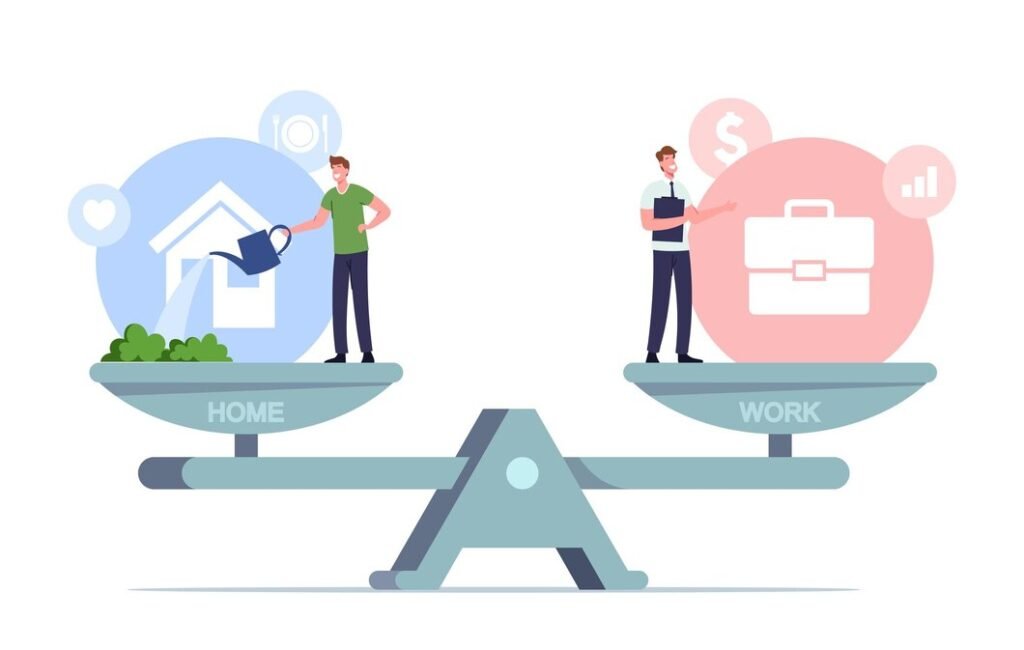
Effective Strategies to Balance Your Professional and Personal Life
In today’s fast-paced world, it’s easy to get caught up in the hustle and bustle of our careers. While professional success is important, it’s equally crucial to maintain a healthy work-life balance. This harmony between your job and personal life is essential for overall well-being, job satisfaction, and long-term success.
Why is Work-Life Balance Important?
A good work-life balance offers numerous benefits, including:
- Reduced stress and burnout: Excessive work hours can lead to chronic stress, physical exhaustion, and mental burnout. Prioritizing rest and relaxation helps prevent these negative outcomes.
- Improved mental and physical health: When you have time for hobbies, exercise, and social activities, you’re more likely to experience better overall health and well-being.
- Increased job satisfaction: People who feel fulfilled in their personal lives tend to be more engaged and productive at work.
- Stronger relationships: Spending quality time with loved ones is essential for building and maintaining strong relationships.
- Enhanced creativity and productivity: Taking breaks and engaging in activities outside of work can stimulate creativity and problem-solving abilities.
5 Career Counseling Tips for Achieving Work-Life Balance
- Set Clear Boundaries: Establishing clear boundaries between work and personal life is fundamental. This involves setting specific work hours, creating a dedicated workspace, and disconnecting from work during personal time. Avoid checking work emails or taking calls outside of regular work hours. Designate specific times for work-related tasks and personal activities to prevent overlap.
- Prioritize Tasks: Effective time management is key to achieving work-life balance. Prioritize tasks based on importance and urgency. Learn to say no to additional responsibilities when your plate is full. Focus on completing high-priority tasks during work hours and dedicate your personal time to relaxation and leisure. Consider using time management techniques like the Eisenhower Matrix to help you prioritize effectively.
- Practice Self-Care: Taking care of yourself is essential for maintaining balance. Incorporate regular exercise, a healthy diet, and sufficient sleep into your routine. Find relaxation techniques like meditation, yoga, or spending time in nature to manage stress and recharge. Schedule self-care activities into your calendar just as you would important work meetings.
- Seek Support: Don’t hesitate to seek support from friends, family, or a mental health professional. Talking about your challenges can provide valuable insights and coping mechanisms. Joining support groups or seeking career counseling can also offer guidance and encouragement. Consider building a strong support network of people who understand your challenges and can offer encouragement.
- Continuous Evaluation: Regularly assess your work-life balance. Are you happy with your current situation? Make adjustments as needed to maintain harmony. Reflect on your priorities and values to ensure your career aligns with your overall life goals. Set aside time for regular self-reflection and evaluation to track your progress and make necessary changes.
Additional Tips
- Leverage Technology: Use productivity tools and apps to streamline tasks and manage your time efficiently. Consider setting boundaries for technology use, such as turning off notifications during personal time.
- Take Breaks: Short breaks throughout the workday can boost productivity and prevent burnout. Step away from your desk, go for a walk, or engage in a relaxing activity to refresh your mind.
- Learn to Delegate: Don’t be afraid to delegate tasks when possible. This can help reduce your workload and free up time for other priorities.
- Set Realistic Goals: Avoid overcommitting yourself. Set achievable goals both at work and in your personal life. Celebrate your accomplishments and learn from setbacks.
Conclusion
Achieving work-life balance is a journey, not a destination. It requires conscious effort and self-awareness. By following these tips and seeking professional guidance when needed, you can create a fulfilling and sustainable career while enjoying a rich personal life. Remember, a healthy work-life balance is an investment in your overall well-being and long-term success.