

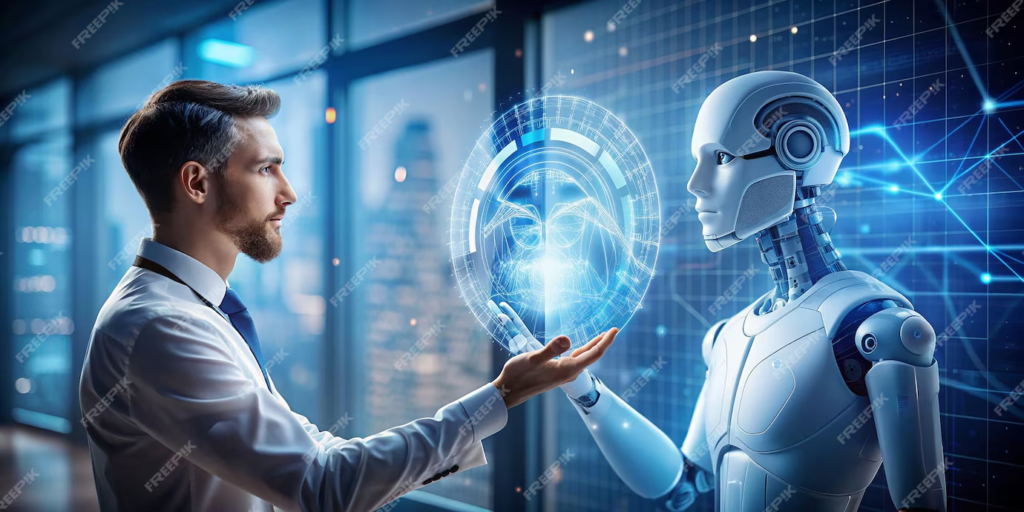
Exploring the Unique Skills and Roles That Remain Beyond AI’s Reach
Artificial Intelligence (AI) is rapidly transforming industries and workplaces. While there’s no doubt that AI can automate many tasks, it’s essential to remember that it’s a tool, not a replacement for human ingenuity. Some jobs are inherently human, requiring skills and abilities that AI simply cannot replicate.
Human Touch: The Irreplaceable Factor
AI excels at processing vast amounts of data, identifying patterns, and performing repetitive tasks with precision. However, it struggles to grasp the nuances of human interaction, understand complex emotions, and exercise judgment in ambiguous situations. This is where humans hold a significant advantage.
Here are some job roles that are unlikely to be replaced by AI:
- Healthcare Professionals: Doctors, nurses, and therapists rely on empathy, critical thinking, and problem-solving skills to diagnose, treat, and care for patients. While AI can assist with data analysis and medical imaging, it cannot replace the human touch and compassion essential for patient care.
- Teachers and Educators: Teaching involves inspiring students, fostering creativity, and building relationships. AI can supplement learning but cannot replicate the dynamic interaction between a teacher and their students.
- Mental Health Professionals: Therapists and counselors provide emotional support, guidance, and coping strategies. Building trust and rapport is crucial, and these skills are uniquely human.
- Creative Professionals: Artists, writers, and musicians rely on imagination, originality, and emotional intelligence to create meaningful work. AI can generate content, but it lacks the depth and creativity of human expression.
- Social Workers: Helping people overcome challenges requires empathy, understanding, and the ability to build relationships. These qualities are essential for social workers to effectively support their clients.
- Leadership Roles: Effective leaders inspire, motivate, and make complex decisions. They possess emotional intelligence, strategic thinking, and the ability to build strong teams. These skills are difficult to replicate in AI.
- Customer Service Representatives: Resolving customer issues often requires empathy, problem-solving, and the ability to build rapport. While AI can handle routine inquiries, complex problems often require a human touch.
The Future of Work: Humans and AI Collaborating
Instead of worrying about losing jobs to AI, we should see it as a chance to boost our own abilities. By working with AI, we can unlock new opportunities and spark innovation.
AI can handle repetitive tasks, which allows us to focus on more complex and creative work.
To succeed in a world where AI is common, we need to build skills that work alongside technology, not just try to compete with it. Emphasizing lifelong learning, being adaptable, and developing skills that involve human touch will be key to thriving in the future job market.
The Role of Human Judgment in Complex Decision Making
AI can handle a lot of data and find patterns, but it often has trouble with tough decisions that need a deep understanding and ethical thinking.
For example, In the legal field, AI can help by looking at legal documents and past cases, but human lawyers are needed to interpret complex laws, understand the details of each case, and make ethical choices.
The Importance of Emotional Intelligence in Human-Centric Roles
Many jobs require a deep understanding of human emotions and the ability to build relationships. This is particularly true in fields like sales, marketing, and human resources. AI may be able to analyze customer data and identify trends, but it cannot replicate the human ability to connect with people on an emotional level.
Conclusion
In conclusion, while AI is a powerful tool, it cannot replace the unique qualities and abilities that make humans irreplaceable. By understanding the strengths and limitations of both humans and AI, we can build a future where technology augments human potential and creates new opportunities for everyone.