

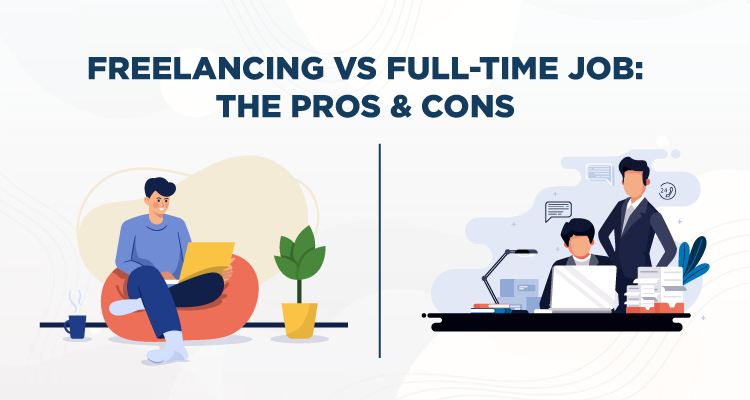
Understanding the Pros and Cons of Freelancing and Traditional Jobs to Make the Best Career Choice
Introduction
Choosing between freelancing and traditional employment is a major career decision that can shape your work life and personal satisfaction. Both options have their own benefits and challenges, and what works best for you depends on your career goals, work style, and lifestyle preferences. In this blog, we will explore the key differences between freelancing and traditional employment, helping you determine which path is right for you.
What Is Traditional Employment?
Traditional employment refers to a job where you work as an employee for a company or organization. You typically have a set schedule, a fixed salary, and benefits such as health insurance, paid leave, and retirement plans. In this setup, your employer provides the work, sets the expectations, and offers job security.
What Is Freelancing?
Freelancing, on the other hand, involves working independently, offering your services to clients on a contract basis. As a freelancer, you have the freedom to choose your projects, set your rates, and work from anywhere. However, you are also responsible for finding clients, managing your own taxes, and securing your own benefits like health insurance.
Pros and Cons of Traditional Employment
Pros:
- Job Security: Traditional employment often provides a stable income and long-term job security, which can be reassuring.
- Benefits: Employees typically receive benefits such as health insurance, paid time off, and retirement plans.
- Structured Work Environment: A fixed schedule and clear expectations can help you maintain a work-life balance.
- Career Growth: Many companies offer opportunities for professional development and career advancement.
Cons:
- Limited Flexibility: Traditional jobs usually require you to work a set number of hours each week, often in a specific location.
- Less Control: As an employee, you may have less control over the projects you work on and the methods you use.
- Dependence on Employer: Your income and job stability depend on the company’s performance and management decisions.
Pros and Cons of Freelancing
Pros:
- Flexibility: Freelancing allows you to set your own hours and work from any location, offering a high level of freedom.
- Control Over Work: You can choose the projects you take on, allowing you to focus on work that aligns with your skills and interests.
- Potential for Higher Earnings: Successful freelancers can earn more than traditional employees, especially if they specialize in high-demand areas.
- Variety: Freelancers often work on diverse projects with different clients, keeping the work interesting and varied.
Cons:
- Income Instability: Freelancers may experience fluctuations in income, especially when starting out or during slow periods.
- No Benefits: Freelancers are responsible for securing their own health insurance, retirement plans, and other benefits.
- Self-Management: Freelancers must handle their own marketing, client acquisition, and financial management, which can be time-consuming.
- Isolation: Freelancing can be lonely, as you may not have the social interaction that comes with working in an office.
Key Considerations When Choosing
When deciding between freelancing and traditional employment, consider the following factors:
- Work-Life Balance: If you value a stable routine and clear separation between work and personal life, traditional employment may be better for you. Freelancing, while flexible, can blur the lines between work and home life.
- Financial Stability: Traditional jobs offer a steady paycheck and benefits, which can provide financial security. Freelancers have the potential to earn more, but must be prepared for periods of low income and manage their own benefits.
- Career Goals: If you want to climb the corporate ladder, traditional employment may offer more opportunities for advancement. However, freelancing allows you to build a diverse portfolio and potentially grow your own business.
- Personality and Work Style: Freelancing is ideal for self-motivated individuals who enjoy independence and variety. Traditional employment suits those who prefer structure, collaboration, and a team environment.
Conclusion
Both freelancing and traditional employment have their advantages and challenges. The best choice depends on your individual needs, career aspirations, and lifestyle preferences. By weighing the pros and cons of each, you can make an informed decision that aligns with your personal and professional goals.
For more such information visit our website. www.talktrig.com/